What to Pack for a Hunting Safari in South Africa
Packing for a hunting safari involves different considerations than packing for a resort holiday. You need the right clothing for widely varying temperatures, specialist field gear, and a clear understanding of what you can and cannot bring through South African customs. The good news: Kuvhima offers more than you might expect, so you can pack smarter, not heavier.
Clothing: Colors, Layers, and Footwear
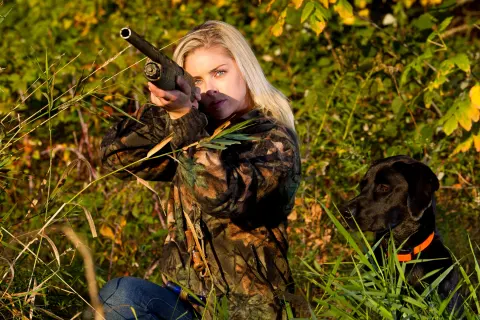
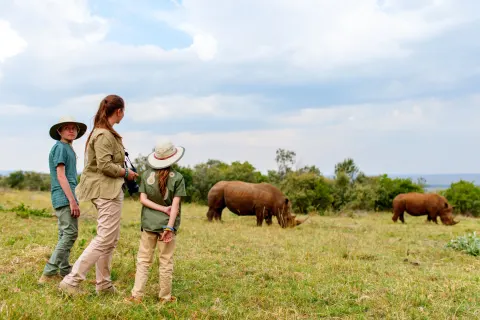
Two principles govern clothing choices for hunting in Limpopo: practicality in the field and respect for the bush. Bright colors spook game and are inappropriate for hunting — stick to neutral earth tones, khaki, tan, olive, and brown. Camouflage patterns are perfectly acceptable and popular with hunters.
Because Limpopo's winter days swing from cold pre-dawn starts to warm afternoons, layering is essential:
- Base layer: moisture-wicking, quick-dry hunting shirts (3 per week). Merino wool or synthetic hunting-specific fabrics are excellent.
- Mid-layer: a fleece jacket or hunting-weight softshell. You will wear this every morning from May through August.
- Outer layer: a lightweight waterproof or windproof jacket — rain is rare in the dry season, but wind can be cold, particularly on the vehicle pre-dawn.
- Trousers: 2–3 pairs of durable bush trousers in neutral tones. Heavyweight canvas or ripstop nylon both work well in acacia thornbush.
- Evening wear: comfortable casual clothes for evenings at the lodge. Neat casual is fine — there is no formal dress requirement.
Footwear deserves particular attention. The Limpopo bushveld is rocky, thorny, and uneven underfoot. You need ankle-supporting leather or composite hunting boots that are well broken in before you arrive. Do not pack brand-new boots and expect to break them in at camp — blisters will ruin your hunt. Bring camp shoes or sandals for evenings at the lodge. Gaiters are optional but appreciated when following animal trails through long grass or dense brush.
Bring at least two buff/neck gaiters or face coverings — they keep the dust out during vehicle transfers and provide warmth on cold mornings. A warm beanie hat for the pre-dawn vehicle rides in June and July is not optional — it is essential.
Hunting Gear Checklist
Beyond your rifle and ammunition, the following gear will improve your hunt:
- Binoculars: 8x42 or 10x42 in a quality mid-range to high-end optic. The single most important piece of glass you will carry. Your professional hunter will also have binoculars, but having your own is ideal for scanning.
- Scope lens caps: flip-open caps or simple covers for your rifle scope. Dust is ever-present.
- Shooting sticks: most professional hunters carry shooting sticks and will offer them. Bring your own if you are used to a specific type—monopod, bipod, or tripod style.
- Headlamp: Bring a quality headlamp with spare batteries or a rechargeable model. Pre-dawn departures and field dressing after dark require reliable light.
- Rangefinder: optional but useful for open country shots. Your professional hunter can assist with distance estimation, but having your own promotes confidence.
- Daypack/hydration pack: a 15–20 liter pack for carrying water, snacks, sun protection, and personal kit during walks. Lightweight and breathable construction preferred.
- Water bottle or hydration bladder: minimum 2 liters capacity for all-day field work.
Personal Items and Toiletries
Lodge facilities at Palala River Lodge are comfortable and well-stocked with essentials, but it is worth bringing your preferred personal products rather than relying on what may or may not be available in rural Limpopo.
- Sunscreen: SPF 50, minimum 200ml. You will use it every day.
- Insect repellent: DEET-based, 30–50% concentration. Apply every evening.
- Lip balm with SPF: Limpopo's dry air and sun are harsh on lips.
- Prescription medications: Bring your full supply plus a couple of days extra. Prescription drugs are hard to get in rural Limpopo.
- Basic personal first aid: blister treatment, antiseptic wipes, bandages, anti-diarrhoeal medication, rehydration salts, antihistamine.
- Cash in USD or ZAR for tips: tipping the trackers, skinners, and camp staff is customary and appreciated. Bring some cash for the week — ask André for a guide on amounts. Card facilities may be limited.
Documents and Admin
Organize your documents before you leave home and keep them easily accessible throughout your journey. Travel with physical copies of the critical items, not just digital versions.
- Passport: valid for at least 6 months beyond your return date, with two blank pages for entry stamps.
- SAPS Form 520: your approved firearm import permit — both a printed original and a digital copy.
- Hunting permit confirmation from Kuvhima: André will provide this prior to your arrival.
- Travel insurance documents: policy number and 24-hour emergency assistance number easily accessible.
- Airline booking references: printed and digital.
- Emergency contact list: Kuvhima (+27 83 320 8866), NetCare 911 (082 911), your home country emergency contact.
- Credit card and cash: major cards are accepted at OR Tambo and in most towns, but always carry some rand for rural purchases.
Electronics and Camera Gear
Kuvhima has lodge power for charging devices, but South Africa uses Type M (three large round pins) plugs at 230V/50Hz. Most modern electronics (phones, cameras, laptops) are dual voltage and will work fine with an adapter. You will need a Type M travel adapter — bring at least one from home, as they can be hard to find in rural areas.
- Smartphone and charger.
- Power bank (10 000–20 000 mAh): invaluable for long days in the field away from power points.
- Type M travel adapter.
- Camera: a DSLR or mirrorless camera with a 70–300mm or longer zoom lens captures the wildlife photography opportunities that arise throughout a hunting safari. A smaller compact or bridge camera also works well.
- Extra SD cards and a spare battery: multiple 64GB or 128GB cards recommended.
- Waterproof bag or dry bag: protects camera gear from morning dew or unexpected dust storms on the vehicle.
What NOT to Bring
A few items that hunters sometimes pack which cause complications or are better left at home:
- Camouflage clothing worn through South African airports: pack your camo in a bag inside your luggage — do not wear camouflage through the airport itself, as it can attract unnecessary attention.
- Ivory, endangered species products, or undeclared wildlife items: South Africa has strict CITES enforcement at all ports of entry.
- Drones: unmanned aerial vehicles require a permit from the South African Civil Aviation Authority (CAA). Do not bring a drone without prior authorization.
- Excessive ammunition beyond your legal declaration: declare the quantity on your Form 520 and do not exceed it.
- Solid or armor-piercing ammunition: prohibited for civilian use in South Africa.
What Kuvhima Provides
One of the most common packing mistakes international hunters make is overpacking—not knowing what the camp provides and bringing unnecessary bulk. At Kuvhima, the following is included and does not need to be packed:
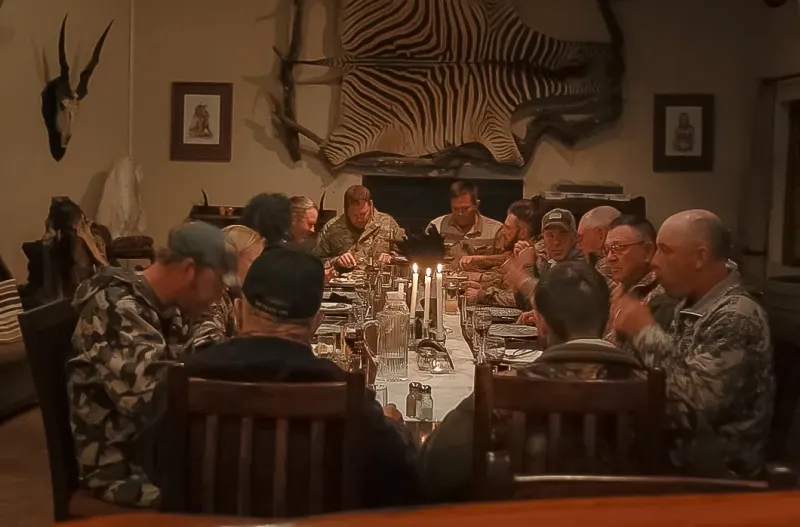
- All meals and beverages — breakfast, packed lunch for the field, and a full dinner every evening.
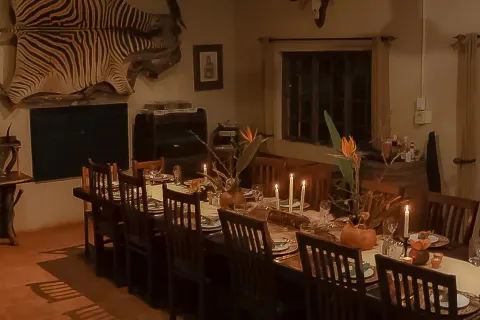
- Comfortable lodge accommodation at Palala River Lodge or Cottage.
- Game vehicles — properly equipped 4x4 hunting vehicles with all necessary equipment.
- Field skinning and trophy preparation — the camp's skilled skinners handle this professionally on the day of each harvest.
- Shooting sticks — professional hunters carry and provide these.
- Backup ammunition in the most common calibres (.308, .375 H&H) is available if needed.
- Salt and dip for trophy capes — all field trophy preparation materials are at camp.